Dark Art is more than haunting visuals—it’s a journey into our shadowed thoughts. Its imagery fuses Gothic shadows, occult motifs, and surreal undercurrents to linger in the mind long after you look away.
Understanding Dark Art Key Concepts
Loading image...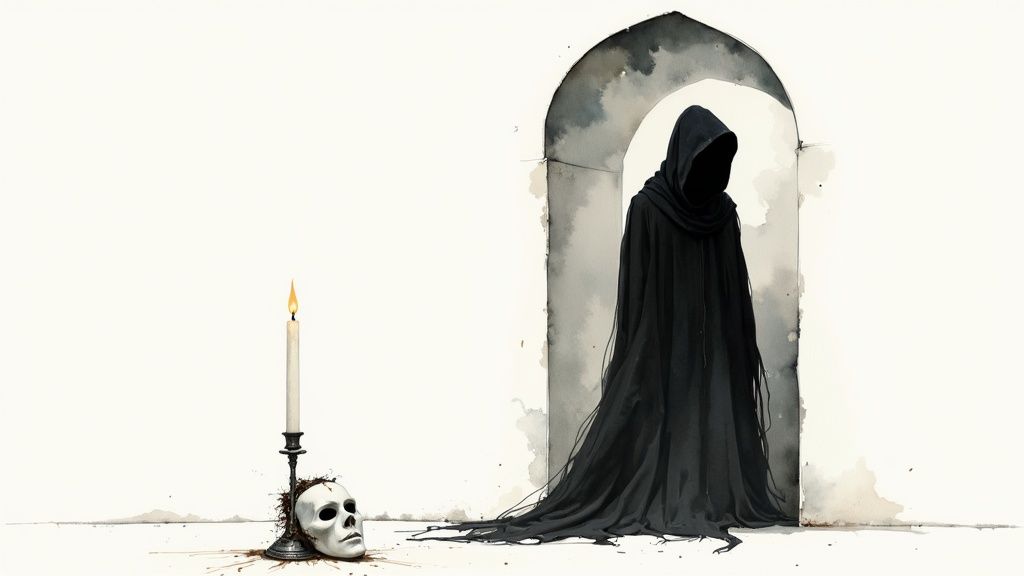
Stepping into dark art feels like wandering through a centuries-old cathedral at twilight. Every brushstroke reads like a line in a suspense novel, pulling you deeper into its atmosphere.
Unlike horror, which thrives on jump scares, dark art builds a mood that seeps under your skin. A single wilting rose or a cracked mirror can carry the weight of entire stories.
- Haunting Symbolism sparks dreamlike unease with obscure imagery.
- Emotional Depth invites introspection far beyond simple fright.
- Subcultural Resonance forges a bond among those drawn to the uncanny.
"Dark art invites viewers into a space where the unknown feels alive."
In practice, creators amplify tension through bold contrasts and layered textures. It becomes a coded language, where every element whispers a hidden meaning.
Core Traits Of Dark Art
Gothic Structures frame scenes with soaring arches and brooding angles.
Surreal Overlays weave dream logic into everyday settings.
High-Contrast Lighting splits image into stark light and dark, magnifying emotion.
Textural Details—cracked paint, rust, peeling wallpaper—hint at decay and history.
- Apply Chiaroscuro to sculpt dramatic shadows.
- Introduce Symbolic Props for deeper narrative layers.
- Use Restrained Color Palettes to sharpen emotional focus.
These traits create a visual toolkit that artists can adapt. Next, we’ll see how history shaped these eerie conventions.
Why Dark Art Resonates
Dark art appeals to those craving substance over showmanship. It touches feelings that mainstream styles often leave untouched.
- Reflective Spaces let viewers project personal fears and desires.
- Creative Freedom empowers artists to explore taboo or introspective themes.
On cutting-edge platforms—like blockchain galleries displaying dark art NFTs—the line between myth and reality blurs. It’s proof of dark art’s versatility and endurance.
"Dark art acts as a mirror for our collective shadows."
With these foundations laid, you’re ready to examine the genre’s roots. Let’s trace how centuries of secretive creativity sparked this compelling visual language.
Next up, we’ll dive into dark art’s hidden history and uncover what made its allure so irresistible.
Historical Roots Of Dark Art
Dark art’s story begins in the 14th century, tucked into the margins of illuminated manuscripts. Back then, artists wove religious iconography, folklore scenes and alchemical sketches into tiny, hand-colored prints.
These miniatures circulated in secret, giving birth to an underground market where scarcity only amplified their eerie appeal.
- Dance of Death woodcuts offered stark, visceral reminders of mortality.
- Gothic Revival painters reintroduced medieval gloom on large, dramatic canvases.
- Alchemical Illustrations hid symbolic layers in surreal diagrams.
Medieval plague years saw those “Dance of Death” prints cross borders in hollowed tomes, confronting viewers with a vivid moral reckoning.
“Censorship often forced artists to speak in symbols rather than words.”
Origins In Censorship
Between the 16th and 19th centuries, moral and legal crackdowns drove dark art further underground. Secret rooms, private salons and manuscript margins became refuges for macabre imagery.
Collectors paid premiums for any rare print, believing it carried forbidden knowledge. For a deeper dive into how scarcity shaped art value, check out Art Basel’s market overview.
- Artists hid contentious symbols to dodge persecution.
- Private exhibitions spread avant-garde prints among trusted circles.
Gothic Revival Influence
In the 19th century, Gothic Revival artists resurrected pointed arches, dramatic vaults and stark contrasts in oil paint. Shadows deepened, emotions sharpened.
- Frame subjects with soaring arches for theatrical effect.
- Layer chiaroscuro lighting to intensify the mood.
Learn how to blend these motifs with modern techniques in our Surrealism style guide.
This fusion of medieval drama and secret symbolism paved the way for contemporary dark art’s subversive spirit.
Folklore And Alchemical Scenes
Dark art also drew its power from myth and mystery. Local legends fueled scenes of transformation, betrayal and redemption. Alchemists added surreal diagrams, hinting at inner processes beyond mere chemistry.
- Use symbols like the ouroboros or phoenix to signal rebirth.
- Incorporate arcane scripts that only initiated eyes can decode.
These elements laid groundwork for Symbolism and later movements, cementing dark art as a language of dissent. Smuggled woodcuts and hushed salon viewings kept its secrets alive.
“Artists thrived in shadows, forging identities through hidden exhibitions.”
Scarcity turned each print into a coveted artifact—and that allure of hidden knowledge still haunts dark art today.
Next we explore market trends and cultural impact of this surprising art form today.
Dark Art Market Trends And Cultural Impact
Dark art has slipped out of hidden circles and into the limelight, driven by collectors drawn to its raw, emotional pull.
Major auction houses are now reporting upticks in gothic and occult-themed sales, proving there’s growing appetite for the macabre.
In 2024, auctions for dark pieces tallied $2.4 billion, a 23% jump from the year before.
Beyond galleries, the 2020s saw top collectors snapping up rare works, with online sales representing nearly 18% of total market value. Learn more about dark art market findings.
Auction Data And Dealer Sales
Recent auction records reveal a move away from closed-door salons toward high-profile public viewings.
Dealers saw a 15% increase in private sales of occult prints and sculptures in 2023.
- Average Sale Price rose from $8,000 to $9,600 per piece.
- Number of Lots with gothic themes climbed by 32%.
- Online Channels now account for 18% of overall dark art value.
| Sales Channel | 2023 Share |
|---|---|
| Gallery Exhibitions | 82% |
| Online Platforms | 18% |
This split underscores how digital showcases extend reach for emerging dark art creators.
Digital Platforms And Public Engagement
Streaming documentaries and museum programs are shining a light on macabre imagery for wider audiences.
Across social media, you’ll find everything from dark art memes to behind-the-scenes peeks at gothic installation builds.
Loading image...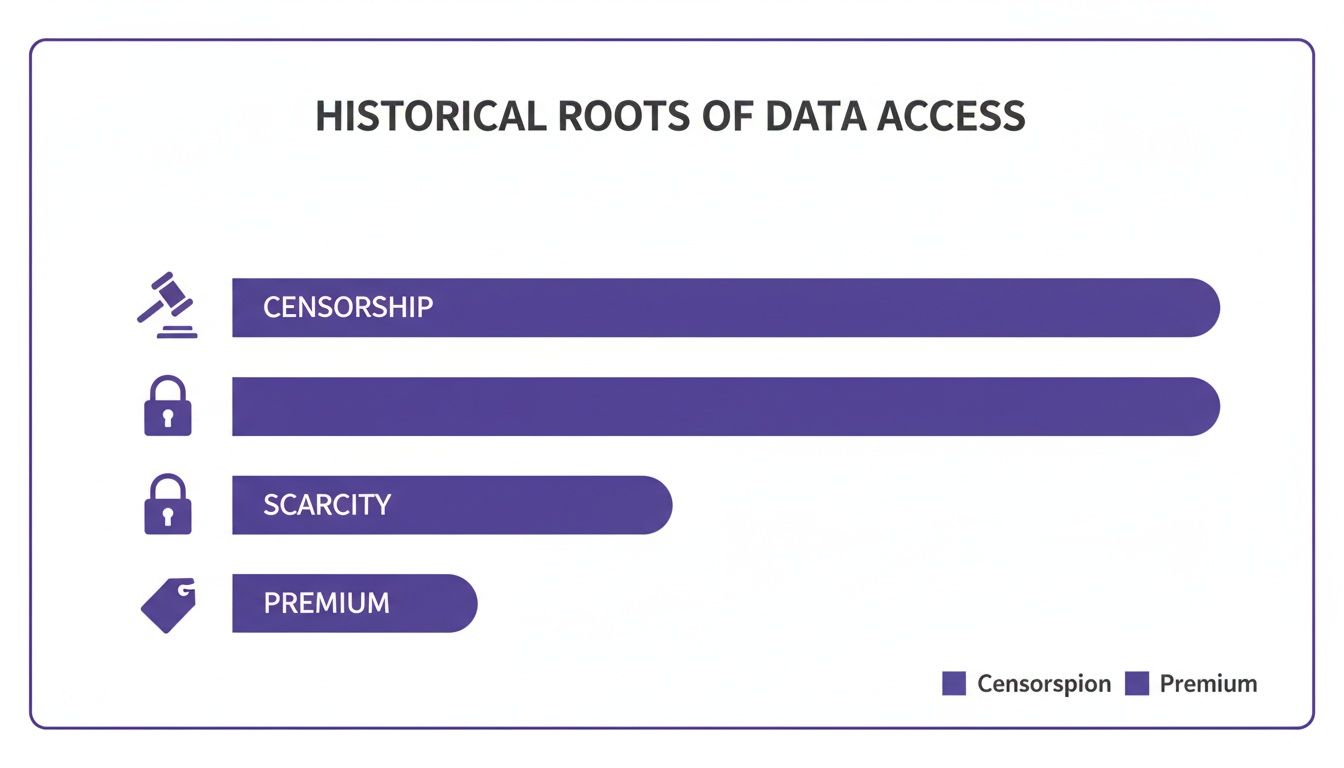
This graphic traces how scarcity, censorship, and rarity premiums shaped early dark art prints.
Digital drops are also making waves. In 2023, one NFT collection of eerie portraits sold out in minutes, showing that virtual scarcity can compete with live auctions.
Key Insight Digital accessibility is reshaping collector behavior, merging niche desires with global reach.
To tap into this momentum, creators should:
- Tie artwork launches to streaming or podcast features.
- Schedule limited-time online drops to fuel buzz.
- Team up with virtual curators on shared macabre exhibitions.
From gothic conventions to virtual fairgrounds, artists now have more venues than ever to exhibit dark creations. These trends paint a picture of a thriving dark art scene, where passion, tech, and market forces converge.
Dark Art Styles And Themes
Dark art is not a single style; it’s a family of moods, each with its own voice. From solemn Gothic spires to unsettling surreal visions, these threads share an undercurrent of tension and narrative.
Artists such as Caspar David Friedrich and Remedios Varo show how atmosphere and story can fuse into a single, haunting image.
Loading image...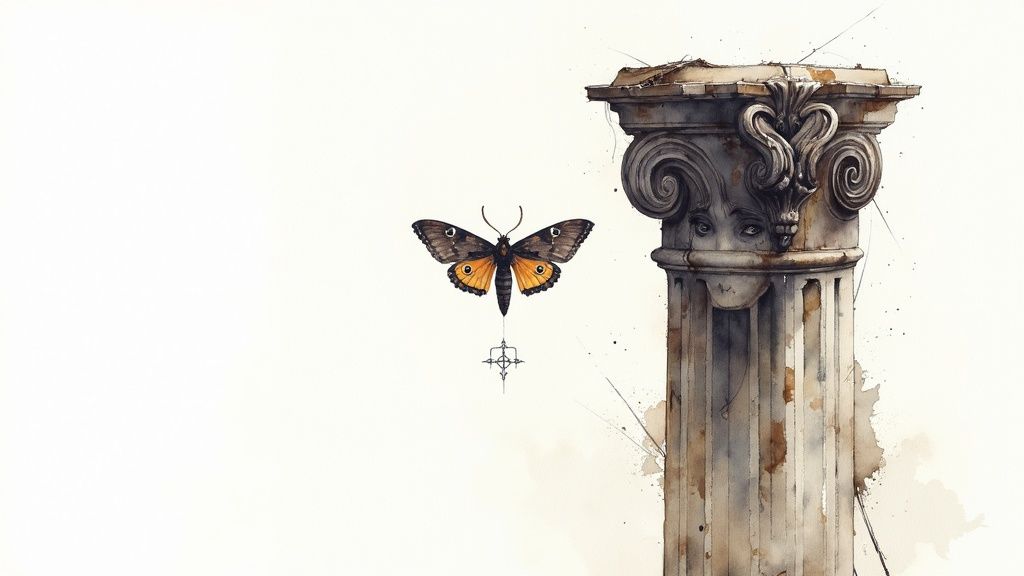
Below, we outline five key strands. This map helps both creators and collectors navigate the terrain.
- Gothic Architecture-Inspired Works: Pointed arches and lofty vaults evoke medieval ritual.
- Macabre Symbolism: Skulls, withered petals, and ravens speak to mortality and rebirth.
- Occult Portraiture: Faces framed by ritual objects hint at hidden ceremonies.
- Surreal Dreamscapes: Distorted forms and uncanny juxtapositions prompt a double take.
- Noir Abstractions: Minimal shapes and stark contrasts conjure unease in empty space.
Strands Defined
In Gothic-inspired pieces, cascading shadows fall across stone spires, sculpted by dramatic, high-contrast lighting.
For a deeper dive into historic motifs, check our Gothic Horror Style Guide.
Macabre symbolism weaves allegory through every detail, pairing bones with blooms to narrate life’s fragile cycle.
Occult portraiture plants its subjects in ritual settings. Props and patterns draw viewers into intimate, arcane ceremonies.
Surreal dreamscapes fold reality inward, as familiar objects stretch and melt into otherworldly shapes.
Noir abstractions strip away ornamentation. Contrast and form become the sole carriers of tension.
Comparison Of Major Dark Art Styles
To see how these approaches differ at a glance, here’s a side-by-side breakdown:
| Style | Time Period | Defining Features | Key Artist |
|---|---|---|---|
| Gothic Architecture | 19th Century | Pointed arches, vaults, chiaroscuro lighting | Caspar David Friedrich |
| Macabre Symbolism | 16th–19th C | Skulls, decaying motifs, allegorical props | Henry Fuseli |
| Occult Portraiture | 20th Century | Ritual props, dark backgrounds, intense gazes | Austin Osman Spare |
| Surreal Dreamscapes | 20th Century | Dream logic, biomorphic forms, vivid distortion | Remedios Varo |
| Noir Abstractions | Contemporary | Minimalist shapes, stark contrasts, abstract gloom | Georg Baselitz |
This table offers a quick reference for each style’s era, signature traits, and iconic practitioners.
Artist Spotlights
Caspar David Friedrich’s landscapes feel like silent sermons. His towering ruins and misty horizons invite contemplation of the unknown.
Remedios Varo blends botanical forms with mechanical oddities. Her dream scenes carry a quiet tension that feels both poetic and uncanny.
Henry Fuseli pushed the macabre into mythic territory. His sharp light and deep shadows animate phantoms born of folklore.
Techniques And Mood
Every dark-art piece relies on a few core methods to shape atmosphere:
- High-Contrast Lighting sculpts drama by emphasizing highlights and deep shadows.
- Texture Layering adds depth with brushwork, crackled surfaces, or digital overlays.
- Symbolic Iconography plants hidden clues—skulls, keys, or wilting foliage—for viewers to unravel.
- Restrained Palettes of deep reds, charcoal grays, and muted earth tones sharpen emotional impact.
Key Insight
When iconography, lighting, and texture align, an ordinary scene transforms into a psychological journey.
Whether you’re sketching at the easel or drafting an AI prompt, these building blocks will help you maintain a cohesive atmosphere.
Notable Dark Art Examples And Case Studies
Dark art can feel like a secret language—charged with atmosphere and hidden meanings. These stories illustrate how macabre creations leap from niche galleries onto international stages.
For instance, The Abyssal Zone at Dark Art Emporium transported visitors into an undersea nightmare. Flickering bioluminescent creatures drifted overhead, provoking everything from childlike wonder to spine-tingling unease.
- Dark Art Emporium’s final show in 2025 featured 16 oceanic pieces.
- Curator Lauren Martin showcased works by Dos Diablos and Misael Urquico.
- Attendees called it a “haunting descent” into the deep.
Behind the scenes, artists wrestled with lighting rigs and water effects to maintain thematic cohesion. Curators navigated installation logistics against tight timelines and fragile sculptures.
When the Emporium announced its closing, a feeding frenzy ensued. Collectors snapped up prints, taxidermy oddities, even empty display tanks—selling out the farewell show within days.
Auction Milestones And Digital Drops
In 2023, a Gothic-inspired oil painting shattered expectations by fetching $1.2 million at a leading auction house. That figure represented a 30% jump over prior horror-themed sales.
Meanwhile, Nightshade Ledger—a blockchain art collective—launched 500 limited-edition NFTs. Each token sold out in under an hour, then traded on the secondary market for $500+ apiece.
- Key Artists: Jermz Woodard, Ave Rose, Patrick Thai
- Platforms: OpenSea, ai-media-studio drops, Christie’s Digital Saleroom
- Metrics: 12,000 views in 24 hours, 700 bids per token
Key Insight Dark art moves from physical exhibitions to online platforms, fueled by creative risks.
Public fascination with dark themes soared in the mid-2020s, with 59% of collectors buying online and ritual-focused exhibitions becoming commonplace. Read the full analysis in the Market Report 2025 by Victoria Burns Art Advisory.
Lessons For Creators
Emerging dark artists can glean valuable pointers by studying these examples. Close attention to audience feedback and sales patterns unlocks sharper release strategies.
- Test limited drops to spark urgency.
- Collaborate with niche curators or virtual galleries.
- Document your studio process to draw in online communities.
- Share time-lapse videos for behind-the-scenes engagement.
Practical Tips For Dark Art Creators
Bringing dark art to life hinges on techniques that frame mood through stark contrasts and tactile surfaces. It’s like directing a scene in a suspense thriller—the right light, texture, and symbolism all play starring roles. Below, you’ll find a blend of step-by-step tutorials, AI prompt ideas, and portfolio tips to ground your practice.
Loading image...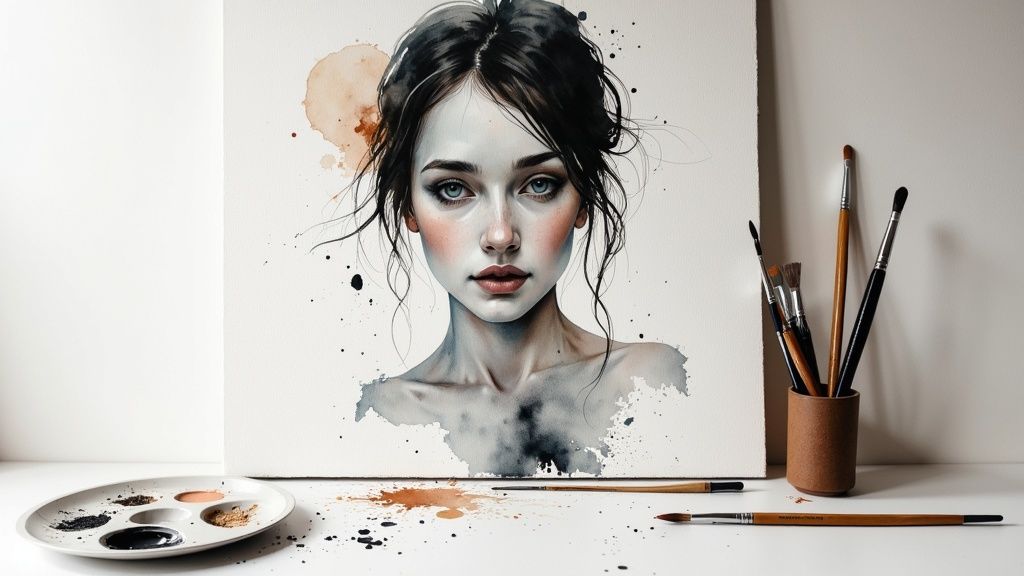
Key Drawing Techniques
Light and shadow are your secret weapons for heightening tension.
- Chiaroscuro Drawing: Position a single light source to carve forms out of darkness.
- Distressed Texture: Scrape, spatter, or lift your mediums to suggest decay and wear.
- Narrative Symbolism: Weave in elements like wilting petals or antique keys to hint at hidden stories.
Each approach tightens the atmosphere and guides the viewer’s focus.
Dark art thrives on contrasts that speak louder than details.
AI Prompt Templates
AI tools give you a rough draft to refine by hand. Tweak the language to dial in your preferred mood and composition.
- “Brooding cathedral interior at dusk — high-contrast lighting — charcoal tones”
- “Distressed wall mural with cryptic symbols — deep crimson accents — foggy atmosphere”
- “Occult portrait with candlelight glow — muted earth palette — subtle grain texture”
Adjust keywords and scene notes until the base image aligns with your vision.
Presentation And Portfolio Tips
Selecting the right surface or format can amplify your concepts.
- Acrylic on Canvas: Delivers bold color saturation and depth.
- Ink Washes: Highlights delicate line work on textured paper.
- Digital Layers: Offers non-destructive control over lighting and hue.
Likewise, framing in matte black or aged wood reinforces a brooding vibe. Curate your portfolio by grouping pieces into themed series, ordering them by emotional intensity, and sprinkling in time-lapse clips for online viewers.
Step-By-Step Workflow
A clear process turns a spark of inspiration into a polished piece.
- Thumbnail Sketch to nail down lighting and composition.
- Underpainting to map out the darkest shadows.
- Texture Layers for distressed effects and surface variation.
- Detail Refinement around focal points and symbols.
- Final Sealing with varnish or digital filters, plus framing.
Paid plans for AI Media Studio start at $19/month.
Key Takeaways For Dark Art Pieces
- Emphasize Light And Shadow to sculpt mood and form.
- Integrate Texture for an aged, authentic feel.
- Use Symbolism to weave hidden narratives.
- Employ AI Tools for rapid ideation.
- Curate Your Portfolio with cohesive themes and pacing.
- Follow A Workflow from rough sketch to final presentation.
Like composing a symphony of darkness, each element must resonate in harmony.
Dark art practice deepens with every experiment. Stay curious, let shadow guide your hand, and enjoy unveiling the narratives that dwell in the dark.
Frequently Asked Questions About Dark Art
Dark art often lives in the shadows of our imaginations, stirring curiosity among both creators and collectors.
Here are some of the most common questions laid bare, along with expert guidance to light your way.
How Is Dark Art Different From Horror Art?
Dark art plays with mood, symbolism, and emotional depth—imagine a dimly lit corridor echoing with hidden meanings.
Horror art, on the other hand, goes for that visceral jolt, like a sudden splash of cold water to the face.
In dark art, every cracked mirror or wilted rose carries weight, inviting reflection rather than instant fright.
How Can I Draw Inspiration Ethically For Dark Art?
Tapping into cultural traditions is like borrowing ingredients from a shared pantry—you need respect, seasoning, and careful hands.
Always credit your sources and immerse yourself in the folklore or history behind the symbols you use.
Here are a few practical steps to ensure you’re honoring your influences:
- Research the folklore context to understand each symbol’s original meaning.
- Credit inspiration in artist statements and exhibition notes.
- Collaborate with cultural experts or community members when possible.
- Attend workshops or lectures to deepen your awareness and sensitivity.
“Ethical practice cultivates trust and lasting creative relationships.”
Best AI Tools And Prompt Tips
What AI Tools And Prompts Work Best For Dark Art?
For many artists, Midjourney, Stable Diffusion, and DALL·E are the starting blocks of a digital dark canvas.
Think of your prompt as a sketch: describing mood, lighting, and palette lays down the rough form before you refine it by hand.
Here are a few prompt recipes to spark your imagination:
- “Brooding cathedral at dusk—high-contrast lighting.”
- “Distressed wall with occult symbols—deep crimson highlights.”
- “Candlelit portrait—muted earth tones—subtle grain texture.”
Treat these lines as springboards. Tweak details, test iterations, and let the atmosphere settle until it resonates with your vision.
How Do Collectors Authenticate And Value Dark Art Pieces?
Collectors often play detective—tracing an artwork’s provenance, checking its condition, and weighing the artist’s reputation.
They might consult pigment specialists or examine blockchain records to confirm a piece’s limited-edition status.
Factors That Boost Value:
| Criteria | Impact |
|---|---|
| Limited Editions | High |
| Artist Reputation | Medium |
| Historical Context | High |
| Condition | Medium |
| Documentation | High |
Expert Appraiser
“Documentation and rarity drive the market value of occult-themed works.”
In practical terms, a pristine certificate of authenticity can push your auction estimate far higher.
Paid plans for AI Media Studio start at $19/month.