In the ever-evolving world of digital creation, finding the perfect visual language can transform a good idea into an unforgettable one. Whether you're a marketer aiming to captivate an audience, a creator building a unique brand, or an artist exploring new frontiers, the right aesthetic is crucial. This guide dives into some of the most compelling and cool art styles that are shaping modern creativity. We'll explore their defining features, practical applications, and even provide tailored AI prompts you can use with tools like AI Media Studio to bring these visions to life instantly.
This is not just a gallery of images; it’s a strategic playbook for visual communication. Understanding the nuances between styles like the neon-drenched dystopia of Cyberpunk and the elegant geometry of Art Deco allows you to make more intentional and effective design choices. Each style carries its own mood, history, and psychological impact, influencing how your audience perceives your message.
Our goal is to provide a comprehensive yet accessible resource that moves beyond simple definitions. For each of the cool art styles featured, we will deliver actionable insights you can apply immediately. You will learn:
- Core Visual Characteristics: The key elements that define each aesthetic.
- Ideal Use-Cases: Scenarios where a style is most effective for marketing or creative projects.
- AI Prompt Examples: Specific, ready-to-use prompts tailored for AI Media Studio to generate stunning visuals.
- Styling & Tone Tips: Quick advice on how to implement the style to achieve a specific mood.
Prepare to discover the perfect style that will not only elevate your projects but also resonate deeply with your intended audience, moving beyond fleeting trends to create lasting impact.
1. Cyberpunk
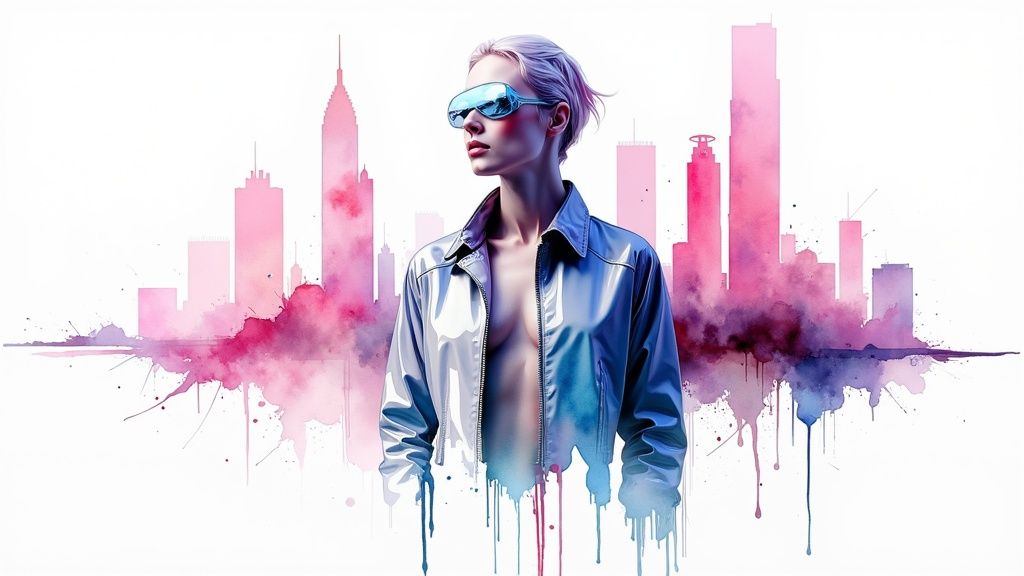
Cyberpunk is one of the most visually arresting cool art styles, merging a high-tech, futuristic vision with a gritty, "low-life" urban decay. This subgenre of science fiction paints a picture of a world where advanced technology, like cybernetics and AI, exists alongside societal collapse and sprawling, neon-drenched metropolises. It's defined by its stark contrasts: gleaming skyscrapers casting shadows over grimy back alleys, and humans augmented with machinery navigating a digitally saturated, often dystopian, landscape.
Key Characteristics & Implementation
- Visual Elements: Expect a dark color palette dominated by electric blues, vibrant pinks, and acid greens. Neon signs, holographic advertisements, constant rain, and reflective, wet streets are classic motifs.
- Thematic Core: The style explores themes of transhumanism, corporate control, and the loss of individuality in a technologically overwhelming world. Think Blade Runner or Ghost in the Shell.
Pro Tip: Balance is crucial. Use intense neon colors as highlights against a darker, more muted background to create focal points and avoid visual clutter.
When to Use the Cyberpunk Style
This style is perfect for projects that need to convey innovation, a futuristic edge, or a rebellious, anti-establishment tone. It works exceptionally well for tech brands, video game promotions, music album art (especially electronic genres), and fashion lines focused on "techwear." The aesthetic immediately signals that a brand is forward-thinking and unafraid to challenge convention. If you want to create your own high-tech visuals, you can experiment with an AI cyberpunk style generator to quickly bring these complex cityscapes and characters to life.
AI Prompt Example
To generate a cyberpunk image, try a prompt like this:
A gritty cyberpunk city street at night, rain-slicked pavement reflecting neon signs in Japanese, a lone figure in a trench coat with glowing cybernetic implants, cinematic lighting, ultra-detailed, 8K resolution.
2. Vaporwave
Vaporwave is one of the more surreal and nostalgic cool art styles, emerging from internet subcultures in the early 2010s. It blends a fascination with 1980s and 1990s consumer culture, early computer graphics, and Japanese imagery into a dreamlike, often melancholic, aesthetic. The style simultaneously critiques and celebrates corporate capitalism, using its outdated visual language to create something both familiar and strangely alienating.
Key Characteristics & Implementation
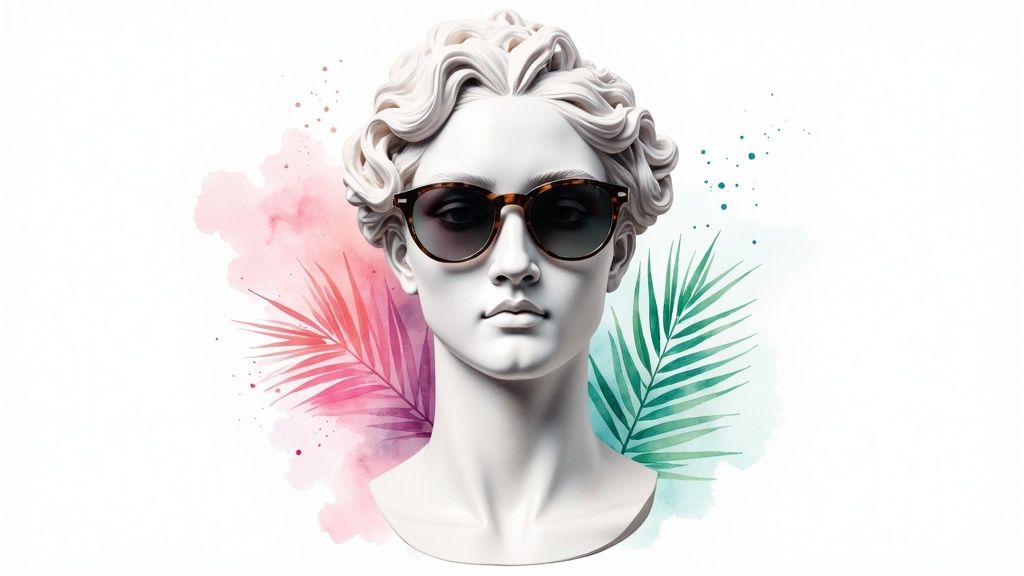
- Visual Elements: A pastel color palette of pinks, teals, and purples is common. Key motifs include Roman busts, 90s-era computer windows, glitch art, palm trees, and Japanese text. Think early internet meets a hazy, forgotten shopping mall.
- Thematic Core: Vaporwave explores themes of nostalgia, consumerism, and the uncanny feeling of digital-age memory. It often has a satirical or melancholic undertone, popularized by musicians like Macintosh Plus and SAINT PEPSI.
Pro Tip: Layering is key. Thoughtfully combine different nostalgic elements, such as a classical sculpture with a retro computer interface, to create a compelling and surreal composition.
When to Use the Vaporwave Style
This aesthetic is perfect for projects aiming for a retro-futuristic, dreamy, or ironic vibe. It excels in music album art (especially for electronic or chillwave genres), alternative fashion branding, social media campaigns targeting millennial and Gen Z audiences, and web design for creative portfolios. The style signals an awareness of internet culture and a penchant for the beautifully strange. If you want to tap into this aesthetic, an AI art generator can help you quickly mix these retro and surreal elements.
AI Prompt Example
To generate a Vaporwave image, try a prompt like this:
Vaporwave aesthetic landscape, a marble Roman bust wearing sunglasses, pink and blue grid lines receding into the distance, palm tree silhouettes against a pastel sunset, retro 90s computer UI elements, dreamy and nostalgic atmosphere, ultra-detailed.
3. Brutalism
Brutalism stands as one of the most polarizing cool art styles, emerging from the architectural movements of the 1950s. It champions raw, exposed materials like concrete, prioritizing massive, monolithic forms and geometric shapes over delicate ornamentation. In modern design, this style translates into a bold, unapologetic aesthetic that emphasizes structure, functionality, and a stark rejection of decorative frills. It's a statement of strength and honesty, letting the core components of the design speak for themselves.
Key Characteristics & Implementation
- Visual Elements: Expect a monochrome or limited color palette, heavy use of concrete textures, strong blocky typography, and a grid-based layout. The style is defined by its raw, unfinished feel and imposing geometric forms.
- Thematic Core: At its heart, Brutalism is about honesty and function. It strips away the superficial to reveal the underlying structure, exploring themes of permanence, utility, and institutional strength. Think of the works of Le Corbusier or the Barbican Estate in London.
Pro Tip: Pair bold, Brutalist geometry with clean, minimalist typography. The contrast between the heavy visual forms and simple text creates a sophisticated and balanced composition.
When to Use the Brutalism Style
This style is ideal for brands that want to project an image of strength, stability, and authenticity. It’s highly effective for architecture firms, art galleries, high-end fashion brands with an industrial edge, and tech companies focused on robust infrastructure. Brutalist web design, with its stark layouts and unconventional navigation, can create a memorable and impactful user experience for audiences that appreciate avant-garde aesthetics. The style conveys confidence and a no-nonsense attitude.
AI Prompt Example
To generate a Brutalist image, try a prompt like this:
A monumental Brutalist building made of raw, cast concrete, sharp geometric angles and deep shadows, clear blue sky in the background, minimalist composition, photographic, hyper-realistic, 8K.
4. Art Deco
Art Deco is one of the most enduringly cool art styles, an emblem of Jazz Age glamour and modernist sophistication. Originating in 1920s Paris, it celebrated luxury, technological progress, and ornamental elegance. The style is defined by its strong geometric shapes, rich materials like gold and ivory, and bold, streamlined forms. It captures the exuberant spirit of an era poised between two world wars, blending fine craftsmanship with machine-age symmetry, as seen in iconic structures like the Chrysler Building.
Key Characteristics & Implementation
- Visual Elements: Expect symmetrical geometric patterns like chevrons, sunbursts, and stepped forms. The color palette is often bold and high-contrast, featuring deep blacks, rich reds, and shimmering metallic golds.
- Thematic Core: The style embodies luxury, optimism, and modernity. It draws inspiration from ancient Egyptian and Aztec art but reinterprets them through a sleek, futuristic lens, celebrating human ingenuity and glamour.
Pro Tip: Balance is key. Use intricate geometric patterns as refined accents rather than overwhelming the entire design. Pair ornamental details with clean lines and negative space to maintain an air of sophisticated elegance.
When to Use the Art Deco Style
This style is perfect for projects aiming for an aura of luxury, heritage, and refined elegance. It’s a natural fit for high-end fashion brands, boutique hotels, premium packaging for cosmetics or spirits, and formal event invitations. For those drawn to the opulent and geometric elegance, explore incorporating elements like these Art Deco geometric pattern vinyl wraps into interior design projects to create a statement. The aesthetic immediately communicates a sense of timeless quality and aspirational living.
AI Prompt Example
To generate an Art Deco image, try a prompt like this:
An Art Deco style poster for a luxurious jazz club, featuring a woman in a 1920s flapper dress, bold geometric background with gold and black patterns, sunburst motifs, elegant typography, streamlined and symmetrical composition, cinematic lighting.
5. Graffiti & Street Art
Graffiti and Street Art is one of the most raw and expressive cool art styles, born from the energy of urban landscapes. This style transforms public spaces into canvases, ranging from quick, stylized tags and bubble letters to vast, intricate murals that carry powerful social or political messages. It's a visual language of rebellion, identity, and community, blending bold typography with vibrant imagery to make an immediate and unapologetic impact. The work of artists like Banksy and Shepard Fairey has brought this once-underground movement into the mainstream cultural conversation.
Key Characteristics & Implementation
- Visual Elements: Expect dynamic letterforms, bold outlines, and a high-contrast color palette. Techniques include stenciling, spray paint effects like drips and fades, and the use of illustrative characters. The style often has a raw, textured feel that mimics brick walls and concrete surfaces.
- Thematic Core: At its heart, street art is about claiming space and giving a voice to the voiceless. Themes often revolve around social justice, anti-authoritarianism, cultural identity, and political commentary. Think Shepard Fairey's "OBEY" campaign or the iconic murals of the Downtown LA Arts District.
Pro Tip: Authenticity is key. Study the letterforms and techniques of established graffiti pioneers. Develop a consistent and distinctive style, whether it’s a tag or a character, to build recognition and credibility.
When to Use the Graffiti & Street Art Style
This style is a perfect fit for brands aiming to project an edgy, authentic, and grassroots identity. It resonates strongly with youth culture and is ideal for streetwear fashion, action sports brands like Nike or Adidas, music festival promotions, and social awareness campaigns. The aesthetic instantly communicates a connection to urban life, creativity, and a rebellious spirit that challenges the status quo. If you want to capture this energy, an AI art generator can help you design custom murals and lettering with an authentic street feel.
AI Prompt Example
To generate a graffiti image, try a prompt like this:
A vibrant graffiti mural on a gritty brick wall, featuring the word "CREATE" in a wildstyle font, bold neon colors with paint drips and splatters, dynamic composition, photorealistic, high-contrast lighting, 8K.
6. Maximalism
Maximalism is one of the most expressive and cool art styles, acting as the vibrant antithesis to minimalism. This artistic philosophy champions abundance, bold self-expression, and a "more is more" attitude. It embraces intricate layering, eclectic pattern-mixing, saturated colors, and ornate details to build compositions that are visually rich, energetic, and overflowing with personality. Rather than stripping things down, Maximalism piles them on with deliberate intent.
Key Characteristics & Implementation
- Visual Elements: Expect a riot of color, a clash of patterns (think floral with geometric), dense textures, and an unapologetic mix of styles from different eras. The aesthetic is often associated with the work of fashion icon Iris Apfel or the vibrant paintings of David Hockney.
- Thematic Core: At its heart, Maximalism is about storytelling, personality, and joyful excess. It rejects sterile environments in favor of spaces and visuals that feel lived-in, curated, and deeply personal.
Pro Tip: Despite the abundance, create a sense of order. Use a cohesive color palette or a recurring motif to unify the diverse elements and guide the viewer's eye through the visual feast.
When to Use the Maximalist Style
This style is perfect for brands that want to communicate confidence, creativity, and a bold, unconventional identity. It is highly effective for creative agencies, avant-garde fashion labels, eclectic interior design firms, and indie brands looking to stand out in a crowded market. Use it for poster design, editorial layouts, or social media campaigns that need to stop scrollers in their tracks with an explosion of visual interest and fearless flair.
AI Prompt Example
To generate a Maximalist image, try a prompt like this:
An opulent and cluttered maximalist living room, baroque furniture mixed with modern art, walls covered in clashing floral and leopard print wallpaper, a velvet sofa in emerald green, layers of textures, dramatic lighting, highly detailed, vibrant colors.
7. Retro/Vintage
Retro and Vintage aesthetics are some of the most emotionally resonant cool art styles, leveraging nostalgia to celebrate design elements from past decades. This style pulls from the 1950s through the 1980s, using warm color palettes, period-specific typography, and analog textures to create a powerful sense of familiarity and authenticity. It’s about more than just looking old; it's about capturing the specific feeling and cultural spirit of a chosen era.
Key Characteristics & Implementation
- Visual Elements: Think muted, sun-faded color schemes (avocado greens, harvest golds, burnt oranges), bold and often playful typography, and textures like film grain, paper folds, or half-tone dots. The design often feels handcrafted and imperfect.
- Thematic Core: The style evokes comfort, sentimentality, and a longing for simpler times. It connects with audiences by tapping into cherished memories or a romanticized vision of the past, seen in the distinct visual worlds created by filmmaker Wes Anderson.
Pro Tip: For an authentic feel, research the specific design trends of your chosen decade. A 1960s psychedelic font looks very different from the clean, geometric typography of the 1970s.
When to Use the Retro/Vintage Style
This style is perfect for brands that want to appear established, trustworthy, and heartfelt. It excels in food and beverage packaging (like Trader Joe's), fashion, and any product looking to create an emotional connection. It’s also highly effective for event posters, album art for indie or folk artists, and websites wanting to cultivate a warm, inviting atmosphere. The aesthetic immediately communicates craftsmanship and a sense of timeless quality.
AI Prompt Example
To generate a retro image, try a prompt like this:
A 1970s retro-style travel poster for California, illustration of a VW bus on a coastal highway at sunset, warm color palette with orange and brown tones, bold serif typography, film grain texture, detailed, vintage aesthetic.
8. Surrealism
Surrealism is an influential avant-garde movement that taps into the unconscious mind to create bizarre, dreamlike, and illogical scenes. Emerging in the 1920s, it's one of the most intellectually provocative cool art styles, challenging rational thought by juxtaposing ordinary objects in extraordinary situations. The goal is to unlock the power of the imagination, creating art that feels both deeply personal and universally mystifying, as seen in the works of Salvador Dalí and René Magritte.
Key Characteristics & Implementation
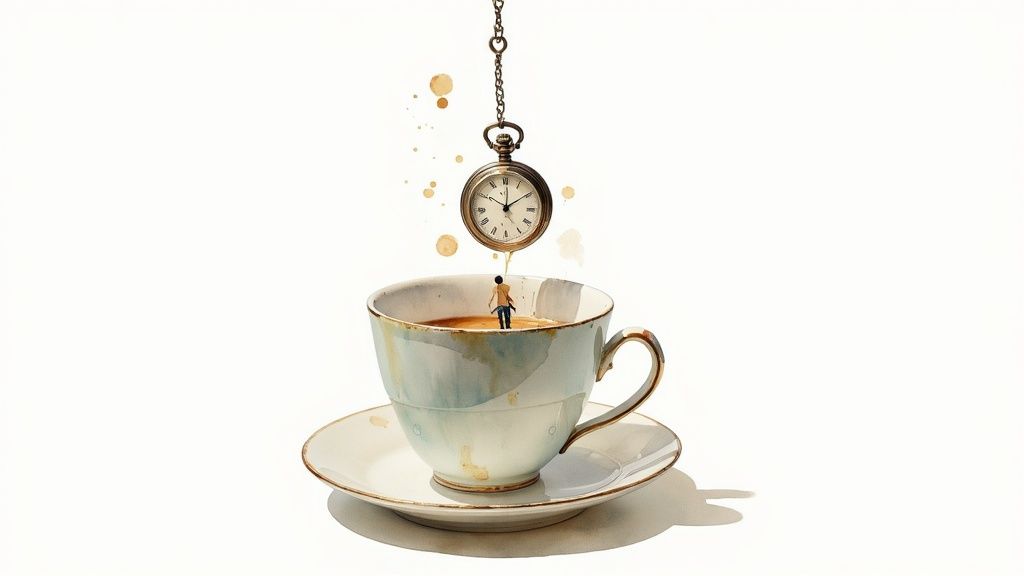
- Visual Elements: Expect unexpected juxtapositions (like a melting clock), symbolic imagery, distorted perspectives, and meticulously rendered yet fantastical scenes. The visual quality is often realistic to make the irrational subject matter more believable and unsettling.
- Thematic Core: The style explores dreams, repressed desires, and the hidden workings of the psyche. It breaks free from the constraints of logic, inviting viewers to find their own meaning in the symbolism.
Pro Tip: Ground your surreal concepts with high-quality, realistic execution. The more believable the rendering of light, shadow, and texture, the more impactful the impossible scenario will be.
When to Use the Surrealism Style
Surrealism is perfect for high-fashion campaigns, luxury branding, and conceptual projects that aim to evoke emotion and spark conversation rather than deliver a literal message. It excels in music album art (especially for experimental or psychedelic genres) and advertising where the goal is to create a memorable, thought-provoking image that sticks in the viewer's mind. To dive deeper into the iconic visual language of its most famous pioneer, explore the specifics of the Salvador Dalí style.
AI Prompt Example
To generate a surrealist image, try a prompt like this:
A photorealistic painting of a giant, perfectly rendered eyeball floating in a serene desert landscape at sunset, with a line of marching ants emerging from the pupil, style of Salvador Dalí and René Magritte, hyper-detailed, dramatic lighting.
9. Japanese Anime & Manga
Japanese anime and manga are globally recognized as some of the most influential and cool art styles, originating from Japan’s rich history of visual storytelling. This aesthetic is defined by its highly expressive characters, dynamic compositions, and emotionally resonant narratives. From sprawling fantasy epics to intimate slice-of-life stories, the style’s versatility has allowed it to dominate comics, animation, and digital art worldwide.
Key Characteristics & Implementation
- Visual Elements: The style is famous for large, emotive eyes, stylized hair that defies gravity, and simplified facial features to emphasize expressions. Action lines (kanyuu sen) and screentones are classic manga techniques used to convey motion and texture.
- Thematic Core: Anime and manga explore a vast range of genres, from the action of Demon Slayer to the profound introspection of Studio Ghibli films. Central themes often include perseverance, friendship, and the complexities of human nature.
Pro Tip: Focus on dynamic posing and composition. Even in still images, use strong diagonal lines, foreshortening, and expressive gestures to create a sense of energy and movement that is a hallmark of the style.
When to Use the Japanese Anime & Manga Style
This style is incredibly effective for projects aiming to connect with a young, global audience or tell a compelling, character-driven story. It’s perfect for video games (like the Persona series), brand mascots, animated series, and fashion. The cultural depth of the style is also reflected in its apparel; for those fascinated by the intricate details and cultural narratives often seen in clothing, this ultimate guide to Japanese shirt styles provides an excellent overview. If you're looking to create your own manga-inspired artwork, you can use an AI manga generator to capture the aesthetic instantly.
AI Prompt Example
To generate a manga-style image, try a prompt like this:
Manga panel of a confident female samurai with a high ponytail, wielding a katana, cherry blossom petals falling around her, dynamic action pose, black and white with screentone shading, high contrast, clean line art, detailed illustration.
10. Glitch Art & Datamoshing
Glitch Art & Datamoshing embraces digital error as an aesthetic, making it one of the most uniquely modern cool art styles. This style intentionally corrupts digital data or manipulates electronic devices to create artifacts, distortions, and visual noise. Instead of seeking perfection, artists who use this style celebrate the unpredictable beauty of technological failure, resulting in fractured, chaotic, and visually complex compositions that challenge our relationship with digital media.
Key Characteristics & Implementation
- Visual Elements: Expect pixelation, color bleeding, distorted geometry, datamoshing (where motion vectors from one video frame are applied to another), and fragmented imagery. The palette is often chaotic, reflecting the corrupted data source.
- Thematic Core: The style delves into themes of digital decay, technological imperfection, and the fragility of data. It serves as a visual critique of our slick, flawless digital world, famously used in music videos by artists like Arca.
Pro Tip: The key to effective glitch art is control. Start with a recognizable base image or video and apply effects selectively. This contrast between the original, clean element and the chaotic glitch creates a more powerful and intentional final piece.
When to Use the Glitch Art Style
This aesthetic is ideal for projects aiming for a disruptive, edgy, or deconstructed feel. It’s a perfect match for electronic music promotions, experimental film titles, fashion brands with an avant-garde or anti-perfectionist message, and tech-focused content that explores the darker or more chaotic side of technology. Use it to convey a sense of urgency, digital disruption, or artistic rebellion against polished corporate visuals.
AI Prompt Example
To generate a glitch art image, try a prompt like this:
Glitch art portrait of a stoic person, vibrant pixel sorting and datamoshing effects, chromatic aberration, distorted digital artifacts, neon and dark color palette, fragmented reality, abstract digital noise, high-contrast, cinematic feel.
Cool Art Styles — 10-Style Comparison
| Style | Implementation Complexity 🔄 | Resource & Time ⚡ | Expected Outcomes ⭐ | Ideal Use Cases 📊 | Key Advantages & Tips 💡 |
|---|---|---|---|---|---|
| Cyberpunk | High — complex neon lighting, tech detail and legibility challenges | Moderate — digital tools, metallic/reflective assets; moderate production time | High — immersive, attention-grabbing, emotional contrast | Tech branding, games, cinematic art, futuristic campaigns | Instant recognition; use neon as accents, ensure readable typography |
| Vaporwave | Medium — simple palettes + glitch elements; needs cultural sensitivity | Low — easy assets, quick mockups | Medium — nostalgic, trendy, niche cultural resonance | Album art, retro web design, streetwear, online communities | Low barrier to entry; balance pastels, avoid superficial use of Japanese motifs |
| Brutalism | Medium — bold geometry and material realism; careful emotional control needed | Medium — texture/workflow focus; architecture requires higher investment | High — authoritative, memorable, enduring | Institutional branding, architecture, stark web layouts | Conveys strength; pair with whitespace and modern elements to soften |
| Art Deco | Medium — precise geometry and ornamental detail | Medium — quality materials/textures raise cost/time | High — premium, elegant, luxurious impression | Luxury branding, packaging, interiors, heritage-inspired design | Timeless elegance; limit ornamentation, use gold accents strategically |
| Graffiti & Street Art | Medium — technical skill for scale and style; legal/process complexity | Low — affordable materials but time/permits for murals | High — authentic engagement, strong public visibility | Public murals, guerrilla marketing, cultural campaigns, brand collabs | High impact and authenticity; always secure permissions and document work |
| Maximalism | High — requires strong curation to avoid chaos | Medium — many assets and iterations; time-consuming refinement | High — vibrant, memorable, expressive | Creative agencies, editorial design, eclectic interiors, fashion | Establish a clear focal point; use cohesive palette to unify layers |
| Retro / Vintage | Medium — era research and authentic typographic choices | Low — plentiful references; modest production effort | Medium — emotional nostalgia, demographic resonance | Branding, product design, packaging, themed campaigns | Pick a specific era; blend modern elements to avoid looking dated |
| Surrealism | High — strong conceptual thinking and technical execution required | Medium — concept-heavy; may need detailed rendering | High — thought-provoking, distinctive, memorable | Fine art, conceptual ads, high-fashion campaigns, storytelling | Start with a clear concept; ground weirdness in believable visuals |
| Japanese Anime & Manga | Medium — strict stylistic rules (anatomy, expressions) | High — time-intensive illustration/animation workflows | High — expressive, fan-driven engagement, strong storytelling | Animation, comics, character-driven games, fandom marketing | Learn fundamentals first; respect cultural origins; develop unique voice |
| Glitch Art & Datamoshing | Medium — technical experimentation; unpredictable outcomes | Low — inexpensive tools, rapid experimentation | Medium — striking, viral potential but niche longevity | Music visuals, experimental films, social content, fashion collabs | Embrace accidents; balance corruption with recognizable elements |
From Inspiration to Creation: Bringing Your Vision to Life
Our journey through the diverse landscape of cool art styles, from the neon-drenched streets of Cyberpunk to the elegant geometry of Art Deco, reveals a powerful truth: style is the language of your message. Each aesthetic we’ve explored is more than just a collection of visual traits; it’s a toolkit for evoking emotion, telling a story, and forging a memorable connection with your audience. The raw energy of Graffiti, the nostalgic comfort of Retro, and the dreamlike logic of Surrealism all offer unique ways to communicate your brand's personality and values.
The true magic happens not in simply choosing a style, but in understanding its core essence and applying it with intention. A Brutalist design can convey unapologetic confidence for a tech startup, while the vibrant chaos of Maximalism can capture the spirit of a bold fashion brand. Mastering these visual languages empowers you to move beyond generic content and create visuals that resonate on a deeper level.
Key Takeaways: Your Creative Blueprint
As you move from inspiration to creation, keep these core principles at the forefront of your process. They are the bridge between knowing about these cool art styles and using them effectively.
- Context is King: The most visually stunning design can fail if it doesn't align with your brand, your audience, and your message. A Glitch Art aesthetic might be perfect for a cutting-edge music festival but could feel out of place for a financial consulting firm. Always ask: Who am I talking to, and what do I want them to feel?
- Don't Be Afraid to Blend: The most innovative creations often live at the intersection of different styles. Imagine combining the sleek, futuristic lines of Cyberpunk with the warm, organic color palettes of a Vintage travel poster. This kind of fusion creates a unique and unforgettable aesthetic that is entirely your own.
- Embrace Strategic Experimentation: The digital canvas offers unlimited opportunities to test, learn, and iterate. Before committing to a full campaign, use tools like AI to rapidly generate mockups in different styles. See how your product looks with a Vaporwave background versus an Art Deco frame. This low-risk experimentation is your secret weapon for finding the perfect visual fit.
Actionable Next Steps: Putting Theory into Practice
Knowledge without action is just trivia. To truly harness the power of these cool art styles, you need to start creating. Here’s a simple, actionable plan to get you started today.
- Choose One Core Style: Select the single art style from our list that most closely aligns with your brand's core identity or your current project's goal. Don't overthink it; go with your gut instinct. Is your brand bold and rebellious like Street Art, or sophisticated and timeless like Art Deco?
- Identify a Complementary Accent Style: Now, pick a second style that can serve as an accent. This style should add contrast or a unique twist. For example, if your core style is clean and structured Brutalism, perhaps a touch of chaotic Glitch Art can add an element of modern disruption.
- Generate and Refine: Use an AI image generator to bring this combination to life. Start with a simple prompt describing your subject, then add stylistic modifiers. For instance:
A product shot of a high-tech sneaker, brutalist architecture background, with subtle glitch art effects and neon pink highlights.Generate several variations, see what works, and refine your prompts until you land on a visual that feels both authentic and exciting.
By following this process, you transform abstract concepts into tangible creative assets. You’re not just picking a style; you’re building a unique visual identity. The world of cool art styles is vast and continually evolving, but with a strategic approach and powerful tools, you have everything you need to make your mark. Your next great idea is waiting to be visualized.
Ready to stop dreaming and start creating? ai-media-studio empowers you to instantly generate stunning visuals in any of the cool art styles we’ve covered and beyond. Bring your most ambitious creative ideas to life in seconds by visiting ai-media-studio and discover the future of visual content creation.